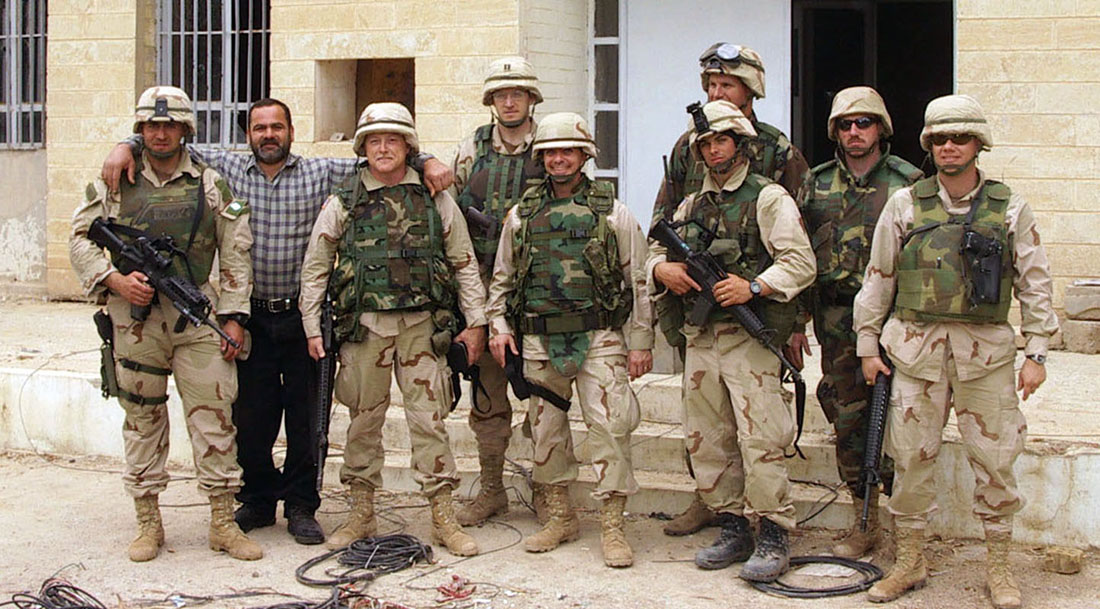
Tiger Team in Mosul
Illustrates different body armor types
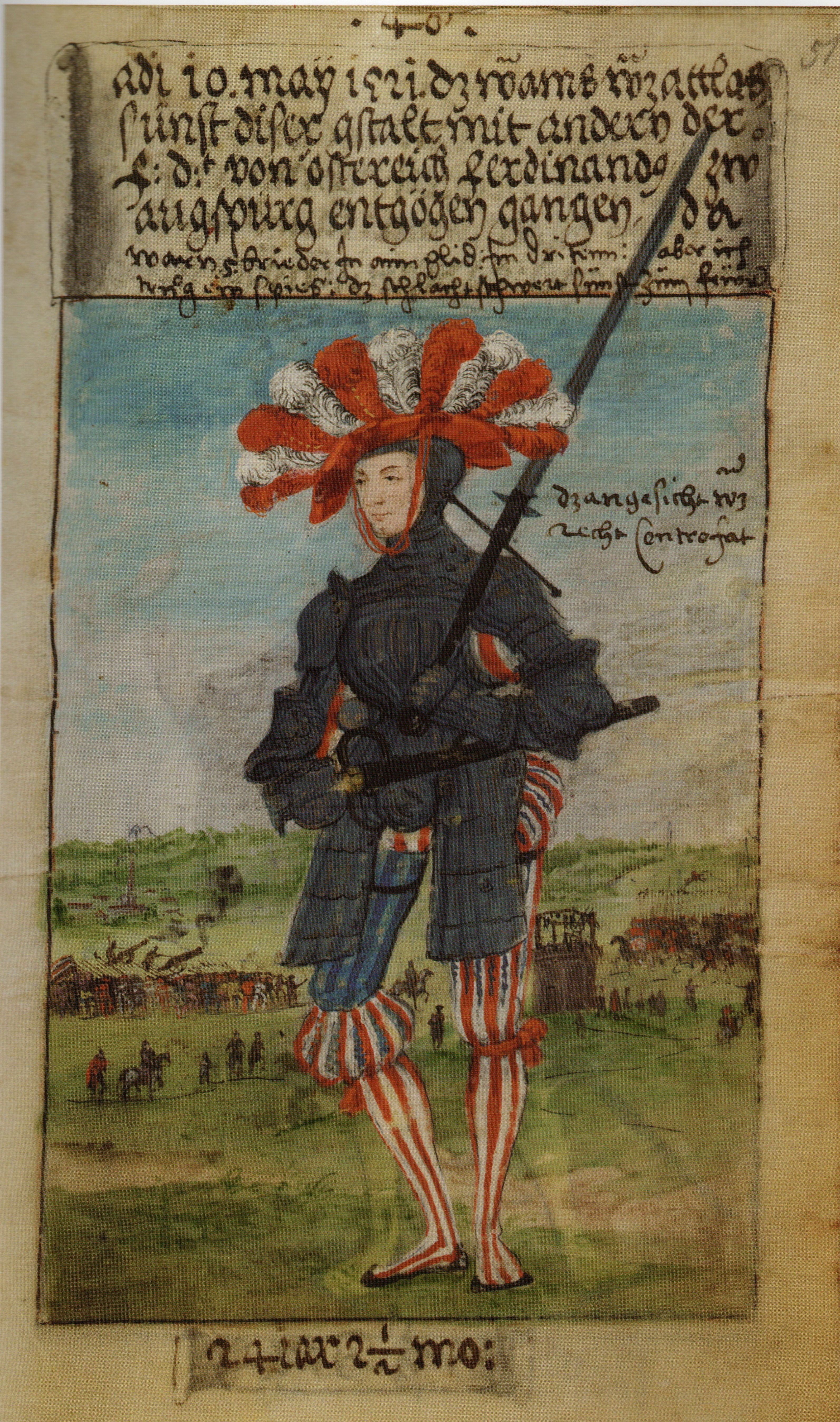
The First Book of Fashion
48 Recto
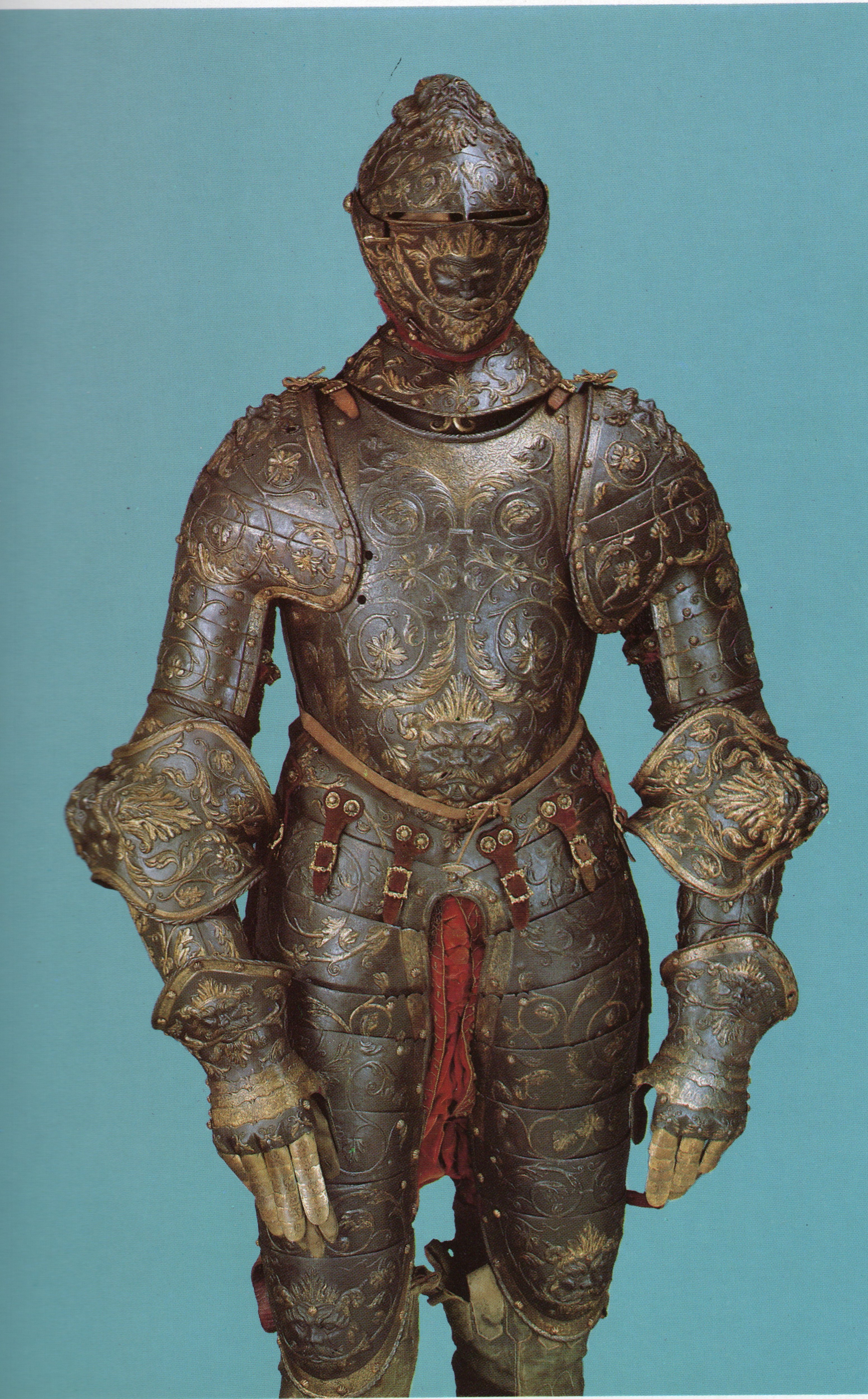
Armor for Henri II of France
Giovanni Negroli
Sotheby's 5 May 1983
| |
|
|
|
Tiger Team in Mosul Illustrates different body armor types |
The First Book of Fashion 48 Recto |
Armor for Henri II of France Giovanni Negroli Sotheby's 5 May 1983 |
Modern armor and military uniforms are designed for utility. No one would think "fashion" when they see the "bullet proof" vests worn by the police. The vests with shock plates worn by the military are, if anything, even less fashionable. They are intended to be functional, but nothing more. This was not the case in the 16th century. Armor was not just a way to protect from injury in battle. It was a way to convey the status and role of the wearer. It allows him to show off - to display his wealth. At the high end, we see polished, embossed, etched and gilt decoration. This is all built on top of a fashionable shape. As we move down the social scale, the decoration is simplified or eliminated, but the form is similar. The shape is still fashionable. Keeping your armor up to date is a form of conspicuous consumption - it shows that you can afford to "keep up with the Joneses," or better yet be the person that the Joneses want to emulate.
The images illustrate this contrast in perspective. On the left we see a US military combat team from the early 2000's in Iraq. They wear camoflage uniforms, vests and helmets. Practical, but if anything trying more to blend in than show off. At the center we see a page from "The First Book of Fashion" showing Mattaus Schwartz of Augsburg in 1521. He was a head accountant for the Fugger merchant firm. He built a book illustrating his fashion during his life. Here he is wearing flashy, flamboyant clothing and practical, but stylish armor. The goal of the look is nicely summed up in his hat - over the top display. On the right we see an armor made for Henri II of France by Giovanni Negroli. The overall shape is the same as many armors at the time, but the decoration takes it all the way to 11. The embossing ang guilding sets the wearer apart from and above the normal man.